|
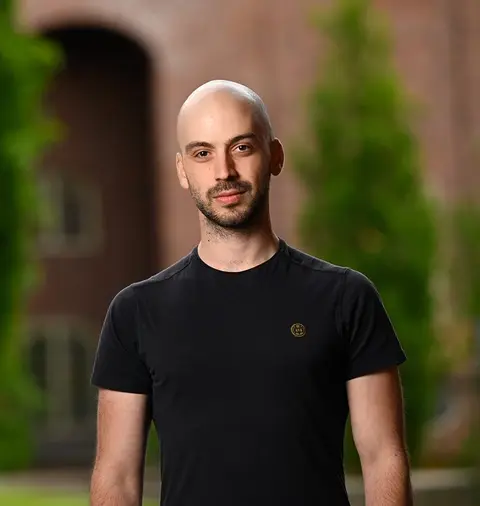
Savvas Raptis (Chair)
 SH/SM · term ends 2026 SH/SM · term ends 2026 |
JHU/APL |
Website/
ORCID/
Email |
My research interests are in the broader field of Heliophysics, space physics and machine learning applications. So far, I have mostly worked on collisionless shocks in space plasmas and in particular around the Earth's bow shock. I have studied foreshock phenomena, the evolution of waves and their connection to particle dynamics. I have also worked on different forecasting projects, using neural networks to classify high-speed jets downstream of the Earth's bow shock, and forecast solar energetic particles (SEPs). My main observational work has been through the NASA's Magnetosphere Multiscale mission, for which I have been contributing as a Scientist-in-the-loop (SITL) for many years. Recently, I started working more on nightside phenomena of Earth's magnetosphere by combining the use of simulations and data-driven models. |
|
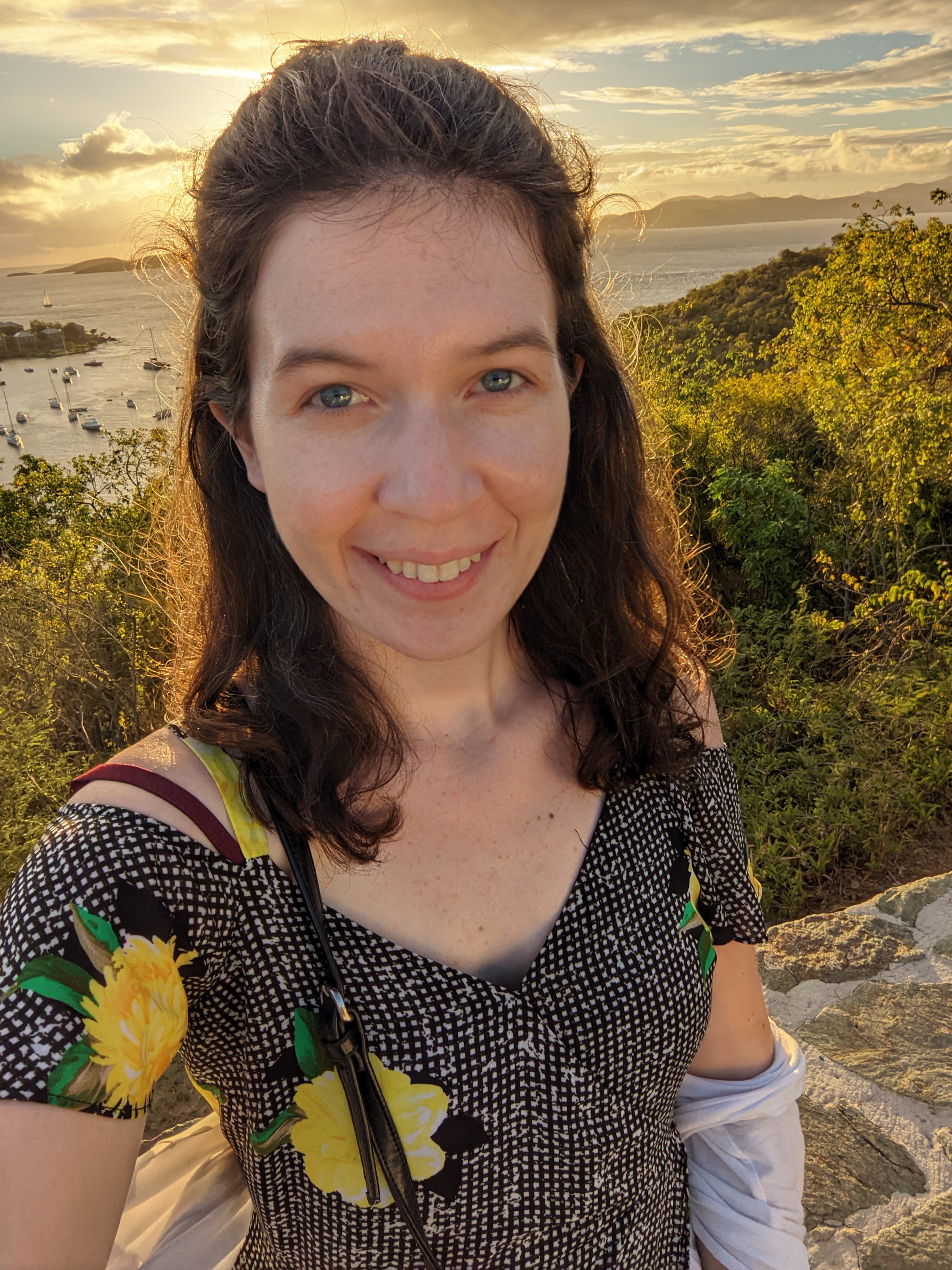
Claire Gasque (Co-Chair)
 SA/SM · term ends 2028 SA/SM · term ends 2028 |
SSL - UC Berkeley |
Google Scholar/
ORCID/
Email |
I am an Assistant Researcher at the Space Sciences Laboratory, University of California, Berkeley, where I recently completed my Ph.D. My research focuses on ionosphere-thermosphere (I-T) coupling, with an emphasis on using satellite data combined with modeling to understand neutral wind dynamics, ionospheric electrodynamics, and photoemission chemistry. I have worked to study the I-T response to natural hazards such as the 2022 Tonga volcanic eruption, as well as more recently to understand the physics behind subauroral phenomena such as STEVE and the picket fence.
Beyond my research, I am committed to making heliophysics accessible to both students and the broader public. I help coordinate the ASSURE program, an NSF-funded REU at UC Berkeley which aims to provide California Community College students with their first research experiences. I also actively engage in science communication through public lectures and outreach. Through my involvement in the AGU Early Career Leadership Advisory Committee, I aim to amplify the voices of my peers, ease early-career transitions, and contribute to creating a welcoming space for all members of the heliophysics community. |
|
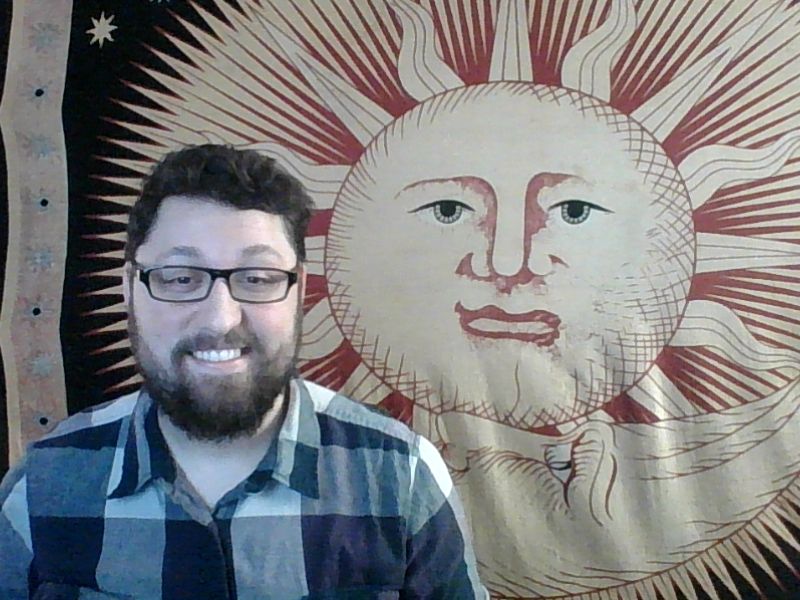
Gilly (Secretary & Webmaster)
 SH · term ends 2026 SH · term ends 2026 |
NWRA - Boulder |
Website/
ORCID/
Email |
I got my PhD in Astrophysical and Planetary Sciences at the University of Colorado Boulder in 2022 with Dr. Steven Cranmer at the Laboratory for Atmospheric and Space Physics (LASP). I'm now a Research Scientist in Heliophysics at Northwest Research Associates (NWRA) in Boulder, where my work spans solar wind heating and acceleration, coronal image processing, MHD modeling of the solar atmosphere's magnetic environment, and the detection of Alfvén waves in spectropolarimetric data. Core tools and frameworks I develop and maintain include the Radial Histogram Equalization Filter (RHEF) for coronal imagery, the GHOSTS forward model, and the FLUX fluxon code and its fluxpype pipeline — with related observational work using DKIST/Cryo-NIRSP spectropolarimetry.
I originally joined the PUNCH mission as one of its inaugural Associate Investigators, and I'm honored to have since been elevated to a full Science Co-Investigator (team page). I also serve as the AGU SPA Webmaster (website). Alongside the science work, I'm leading PUNCH PULSE, a NASA Science Activation project that brings live PUNCH mission data into planetariums for inquiry-driven education — building on connections from my graduate work at Fiske Planetarium. I collaborate internationally through the ISSI "Modeling the Middle Corona" team, have completed ISEE pedagogy training, and stay engaged in public science through programs like the Spark/Spin/Freeze middle school outreach project. More of my work, including real-time solar imaging, lives on my website.
|
|
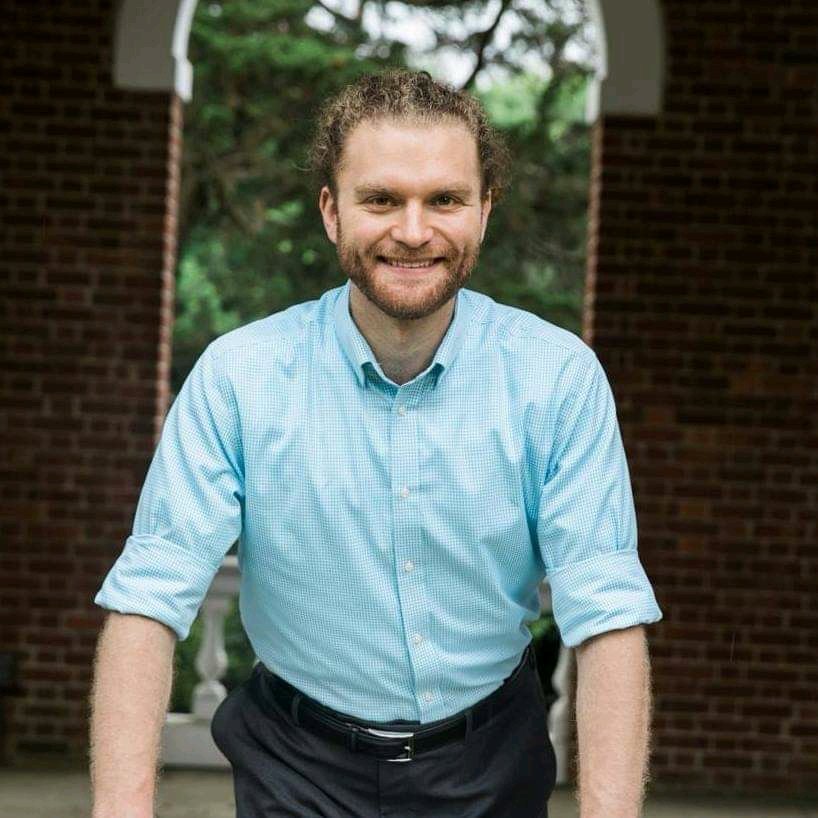
Ben Alterman
 SH · term ends 2026 SH · term ends 2026 |
— |
Website/
ORCID/
Email |
I am a heliophysicist studying the composition and dynamics of the solar wind across timescales from seconds to solar cycles. My research focuses on helium abundance variability, heavy ion composition, and suprathermal ion populations as tracers of solar wind sources, acceleration, and heating. I analyze in situ observations from across the heliospheric fleet to develop diagnostics connecting interplanetary measurements to their origins on the Sun, with direct applications to space weather forecasting. I earned my Ph.D. in Applied Physics from the University of Michigan in 2019. I am also the developer of SolarWindPy, an open-source Python package for solar wind analysis, reflecting my commitment to reproducible and open science. Beyond research, I am passionate about mentoring early-career scientists and building collaborative research environments. Through my involvement in the ECLAC, I hope to advocate for initiatives that support early-career researchers in navigating career transitions and fostering an inclusive SPA community. |
|
Mike Heyns
 SM · term ends 2026 SM · term ends 2026 |
Schmidt Science Fellow, Imperial College London |
Website/
ORCID/
Email |
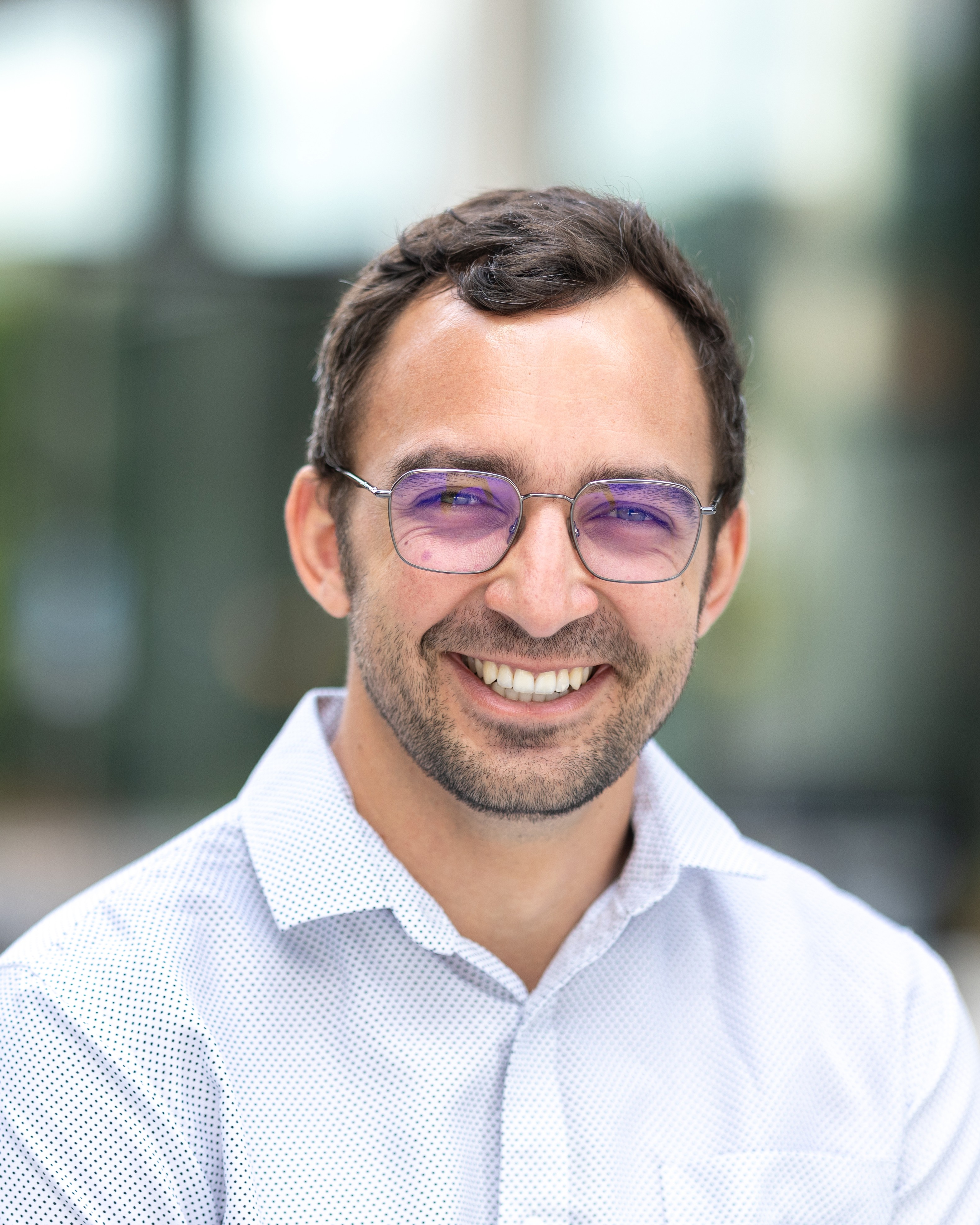
My current research interests lie in the hybrid coupling of machine learning approaches and physics-based models/simulations for operational space weather deployment. This forms part of my broader focus of driving research to operations activities and delivering space weather forecasting products to end-users within the UK, Europe and Africa. My background has chiefly been in geophysical modelling and power systems engineering, where my research focused on modelling and understanding the effects of geomagnetically induced currents. |
|
Ryan McGranaghan
 SM/SA · term ends 2026 SM/SA · term ends 2026 |
Orion Space Solutions |
Website/
ORCID/
Email |
Ryan McGranaghan is a Data Scientist and Research Scientist at the NASA Jet Propulsion Laboratory, where he works with the Machine Learning and Instrument Autonomy (MLIA) group to apply data science techniques robustly and responsibly to the Earth and Space Sciences, to cultivate cross-NASA Center collaborations, and to explore more cohesive and plural scientific communities.
Ryan studies the solar wind-magnetosphere-ionosphere system, focusing on multiscale coupling phenomena like ionospheric conductivity. He bridges across basic and applied research, using improved understanding of the coupled system to help improve the resiliency of technologies and life affected by space weather.
In all of his work, Ryan takes a multi-disciplinary (what he terms 'antidisciplinary') approach to the study of space, bringing together traditional space physics with innovation from the fields of data science and sociology. |
|
Agnit Mukhopadhyay
 SM · term ends 2026 SM · term ends 2026 |
institution? |
LinkedIn/
ORCID/
Email |
I am an aerospace engineer turned space scientist with a penchant for computer science. My research expertise broadly encompasses visualizing geophysical data using advanced numerical methodologies and state-of-the-art software schemes to conduct physics experiments. My interests lie in global simulations of atmospheric and near-Earth space environment data, 3D mathematical modeling and projections, geo-scenarios involving satellite constellations and geodesy in planetary environments. My geophysics background has predominantly been in space weather and magnetosphere-ionosphere physics, while my engineering background trained me in investigating fluid dynamics and plasma physics. I am currently involved in an industrial role that employs the best of both my engineering and scientific training to develop Next-Gen visualization software for mapping in-situ and statistical data in applied STEM tools.
Note: Institution was blank in spreadsheet; previous bio listed The MathWorks Inc. — confirm whether that's still current. |
|
Milo Buitrago-Casas
 SH · term ends 2028 SH · term ends 2028 |
SSL - UC Berkeley |
ORCID/
Email |
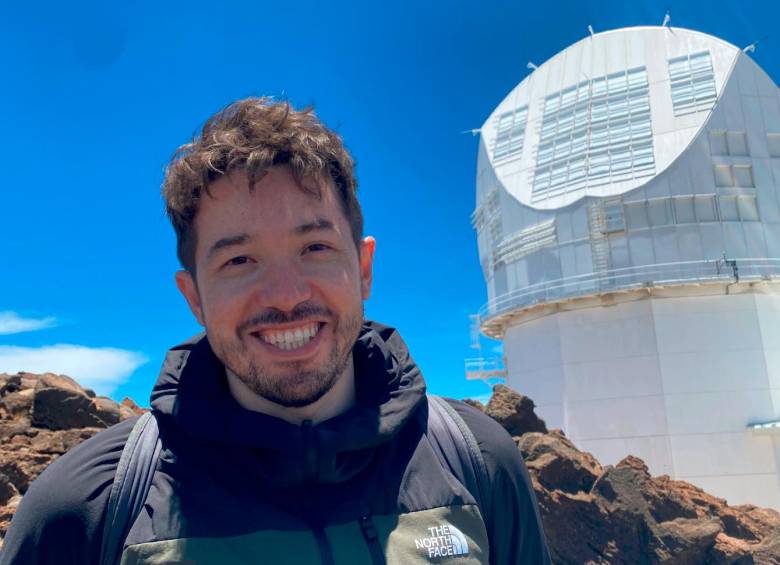
I am a solar physicist specializing in high-energy phenomena driven by solar flares, with a focus on the early signatures of large flares (pre-impulsive phase) and solar X-ray polarization. I have been an active member of the FOXSI (Focusing Optics X-ray Solar Imager) team, contributing to three last successful NASA sounding rocket launches, and now serve as the Principal Investigator for the upcoming FOXSI-5 mission. Beyond my research, I am passionate about science communication and education, currently serving as Chair of the Education and Public Outreach Committee of the Solar Physics Division of the American Astronomical Society. |
|
Komal Kumari
 SA · term ends 2028 SA · term ends 2028 |
University of Illinois Urbana-Champaign |
LinkedIn/
ORCID/
Email |
Bio below is stale — references HAO/ASP postdoc; she's now Postdoctoral Research Associate in ECE at UIUC (since Aug 2025). Needs a refresh.
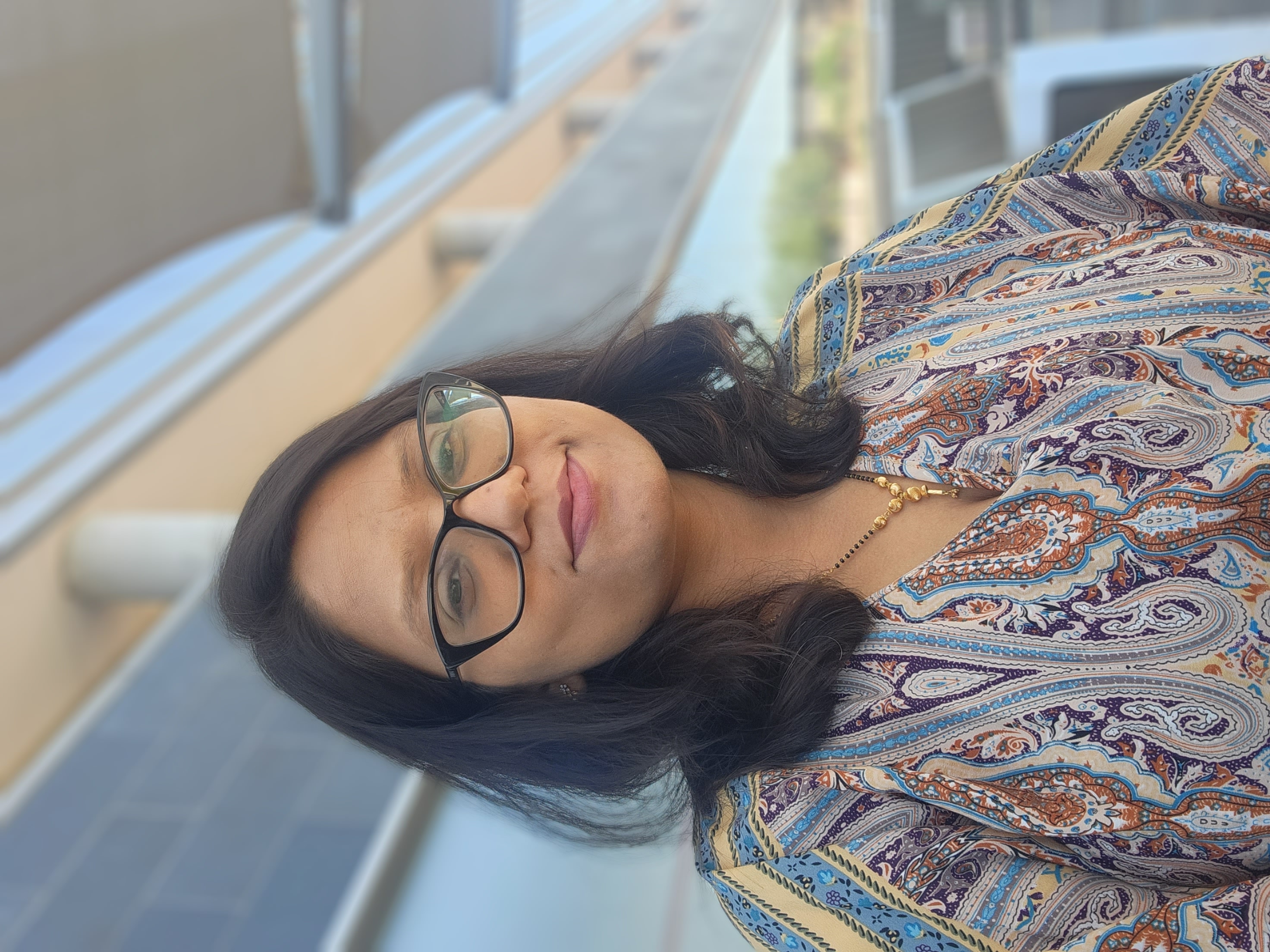
I am an ASP postdoctoral fellow at High Altitude Observatory affiliated with the National Center for Atmospheric Research, specializes in studying nonlinear wave dynamics within the upper atmosphere, covering regions from the equator to the poles. I earned my PhD in Physics from Clemson University in May 2021 and subsequently served as a postdoctoral researcher at Arizona State University's School of Earth and Space Exploration until December 2023. With seven years of expertise in handling observational and model-assimilated data, I am skilled in the analysis of satellite temperature observations, ground-based scanning doppler imager data, and meteor radar observations pertaining to winds associated with tidal-wave-scale, planetary-wave-scale and traveling gravity-wave-scale phenomena. I am primarily interested in researching the role of wave coupling processes in connecting the dynamics of the lower and upper atmosphere. I have served as a CEDAR student representative during my graduate studies and I am passionate about engaging with diverse early-career researchers, providing support, and contributing to their growth through community initiatives. |
|
Garima Malhotra
 SA · term ends 2028 SA · term ends 2028 |
CIRES, University of Colorado Boulder |
LinkedIn/
ORCID/
Email |
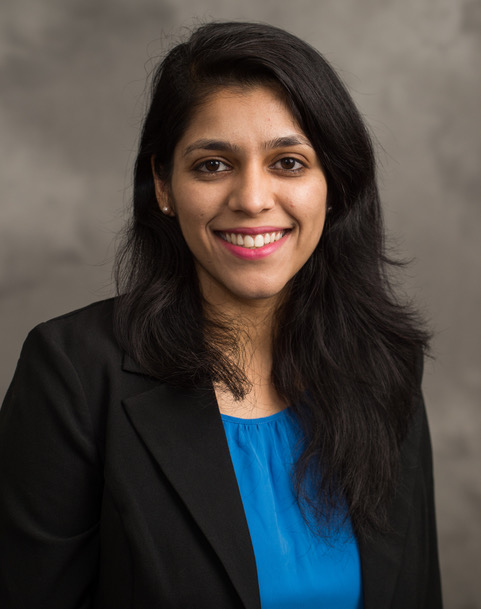
I am an early-career physicist specializing in space sciences, numerical modeling, machine learning, and data analysis. I earned my Ph.D. from the University of Michigan, Ann Arbor, in 2021. My research focuses on vertical coupling in the Earth's ionosphere-thermosphere system and advancing whole atmosphere modeling techniques to improve space weather forecasting. I have extensive experience with the Whole Atmosphere Model (WAM-IPE), thermosphere modeling (GITM), and data assimilation. Beyond my research, I am keen on exploring collaborations between the private and public sectors to enhance space science applications and innovations. I have also held several leadership roles throughout my academic career, advocating for science outreach and the professional development of early-career researchers. |
|
Parisa Mostafavi
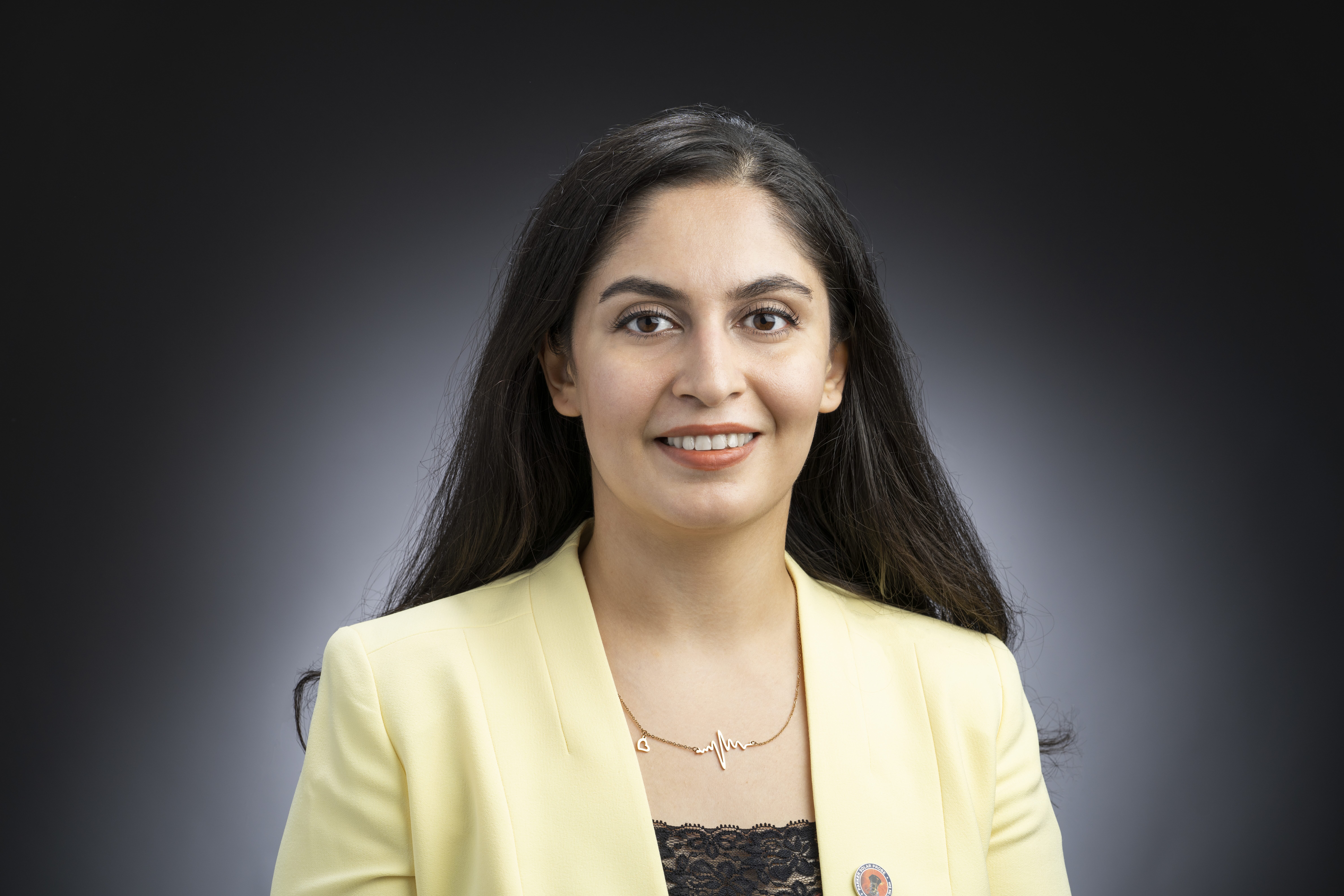 SH · term ends 2028 SH · term ends 2028 |
JHU/APL |
ORCID/
Email |
I am currently a Research Scientist at Johns Hopkins Applied Physics Laboratory, and my research focuses on heliophysics and space plasma physics. I earned my Ph.D. from the University of Alabama in Huntsville in 2019. My work combines data analysis and theoretical modeling to investigate particle heating, acceleration, and the physics of collisionless shocks mediated by energetic particles, such as pickup ion-mediated shocks and solar energetic particle-mediated shocks. I have analyzed data from multiple spacecraft, including Parker Solar Probe and Solar Orbiter, which explore the inner heliosphere, as well as New Horizons and Voyager, which provide insights into the outer heliosphere. Through a combination of observational and theoretical approaches, my research aims to advance our understanding of shock physics and particle acceleration and heating processes across the heliosphere. Beyond research, I am passionate about community service, outreach, and supporting early-career scientists in the space physics community. |
|
Eduardo Perez Macho
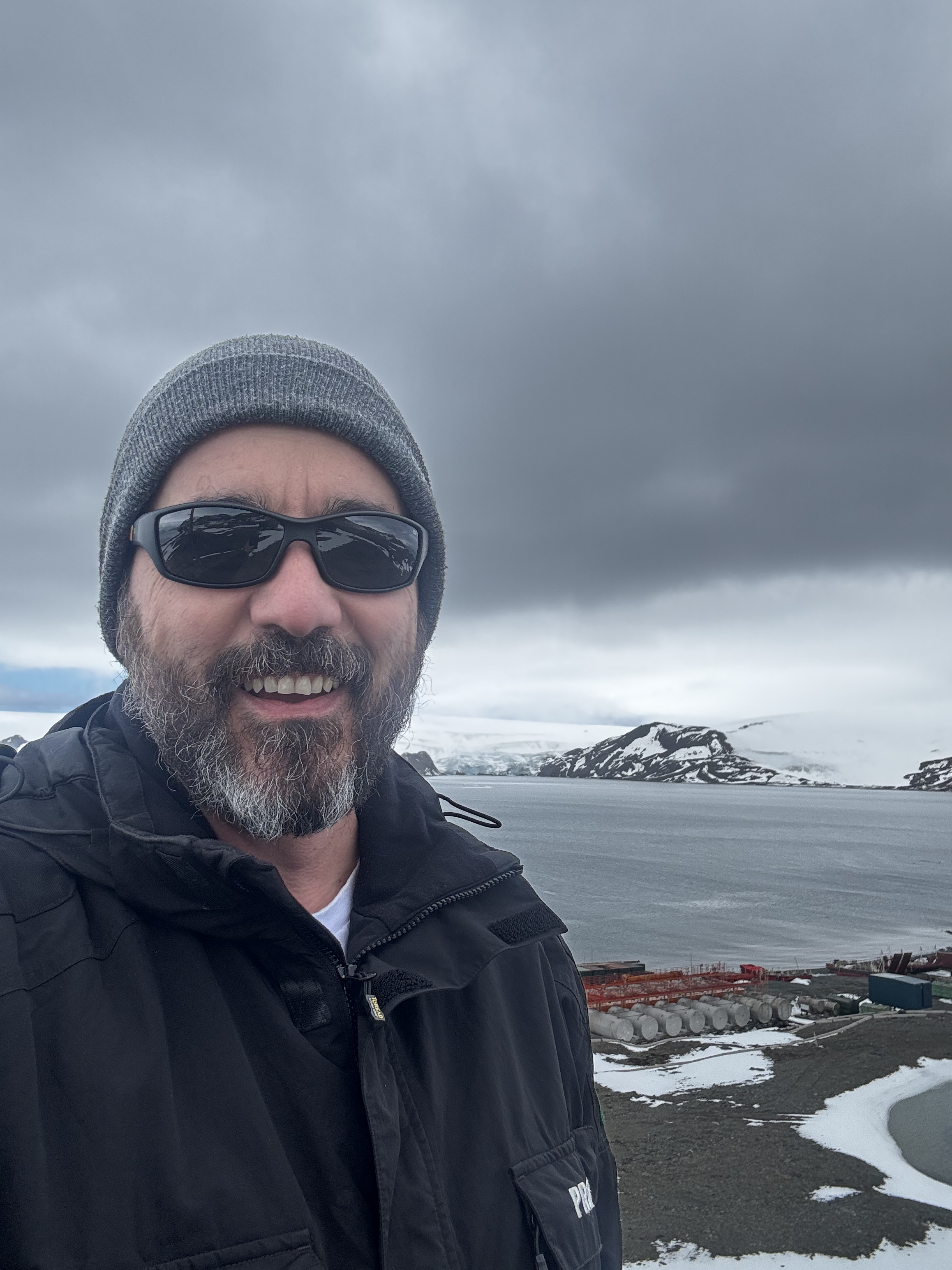 SA · term ends 2028 SA · term ends 2028 |
INPE, Brazil |
Email |
My research focuses on ionospheric dynamics, particularly scintillations and the ionospheric responses to geomagnetic events. With a strong academic foundation in Electronic Engineering and Physics, I specialize in space weather and have extensive hands-on experience with ground-based instrumentation and SuperDARN radars, including in challenging remote environments. For example, I have participated in three Antarctic expeditions, during which I reinstalled GNSS receivers, HF Doppler and riometers, and conducted maintenance on SuperDARN radars at two sites in Alaska. These experiences have deepened my understanding of polar ionospheric phenomena. Currently, I am a Postdoctoral Researcher at INPE, Brazil, where I contribute to space weather research. I am also an active member of AGATA, a network dedicated to advancing polar space weather studies. I am enthusiastic about the opportunity to collaborate within the Early Career (EC) Leadership Advisory Committee (LAC) and bring diverse perspectives to the group. |
|
Yi Qi
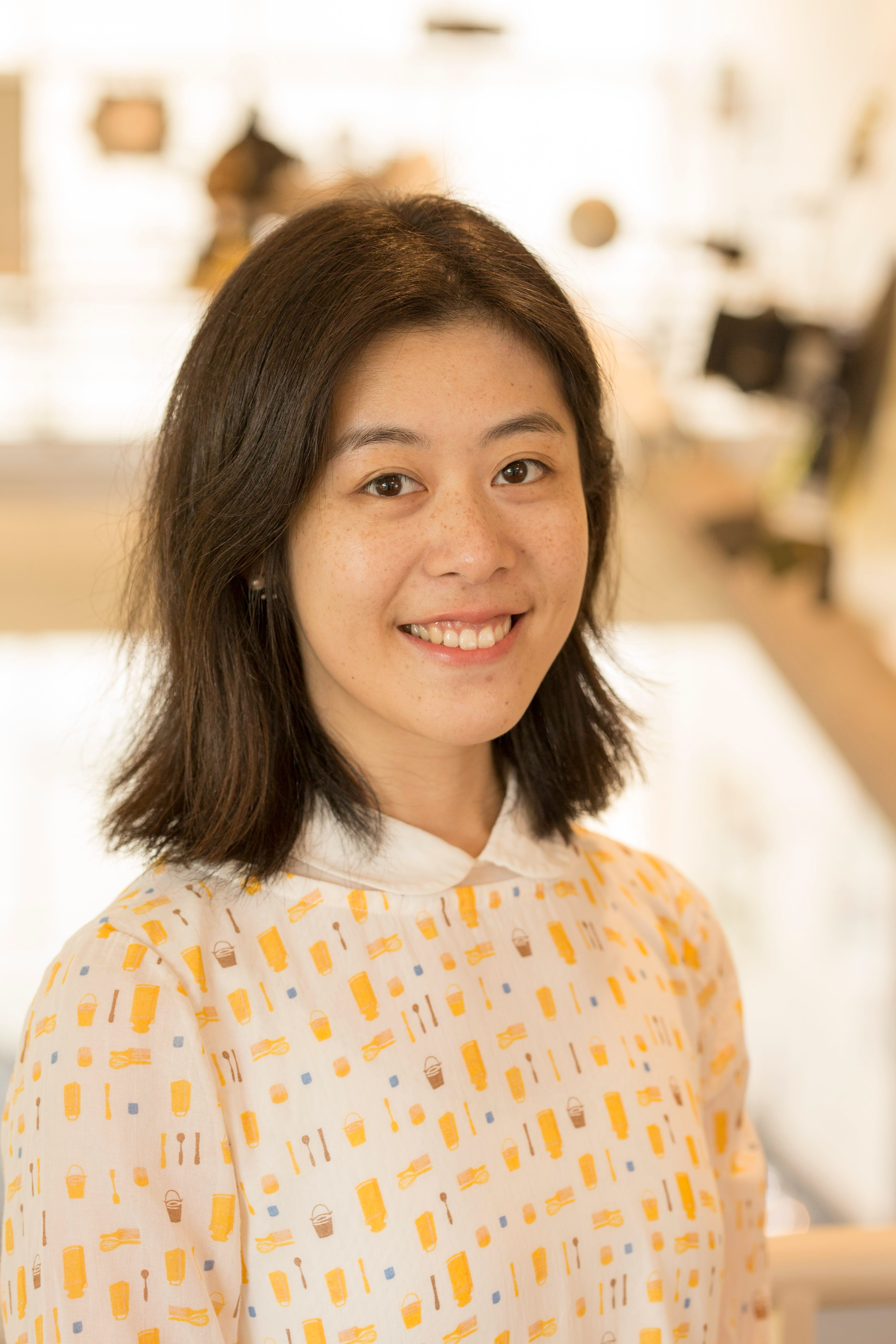 SM/SH · term ends 2029 SM/SH · term ends 2029 |
LASP, CU Boulder |
Website/
ORCID/
Email |
Yi Qi is a Research Scientist at LASP. Her research interests include magnetic reconnection, magnetospheric processes and space plasma. She mainly works on in-situ observations using data obtained by the Magnetospheric Multiscale (MMS) mission. |
|
Onyinye Nwankwo
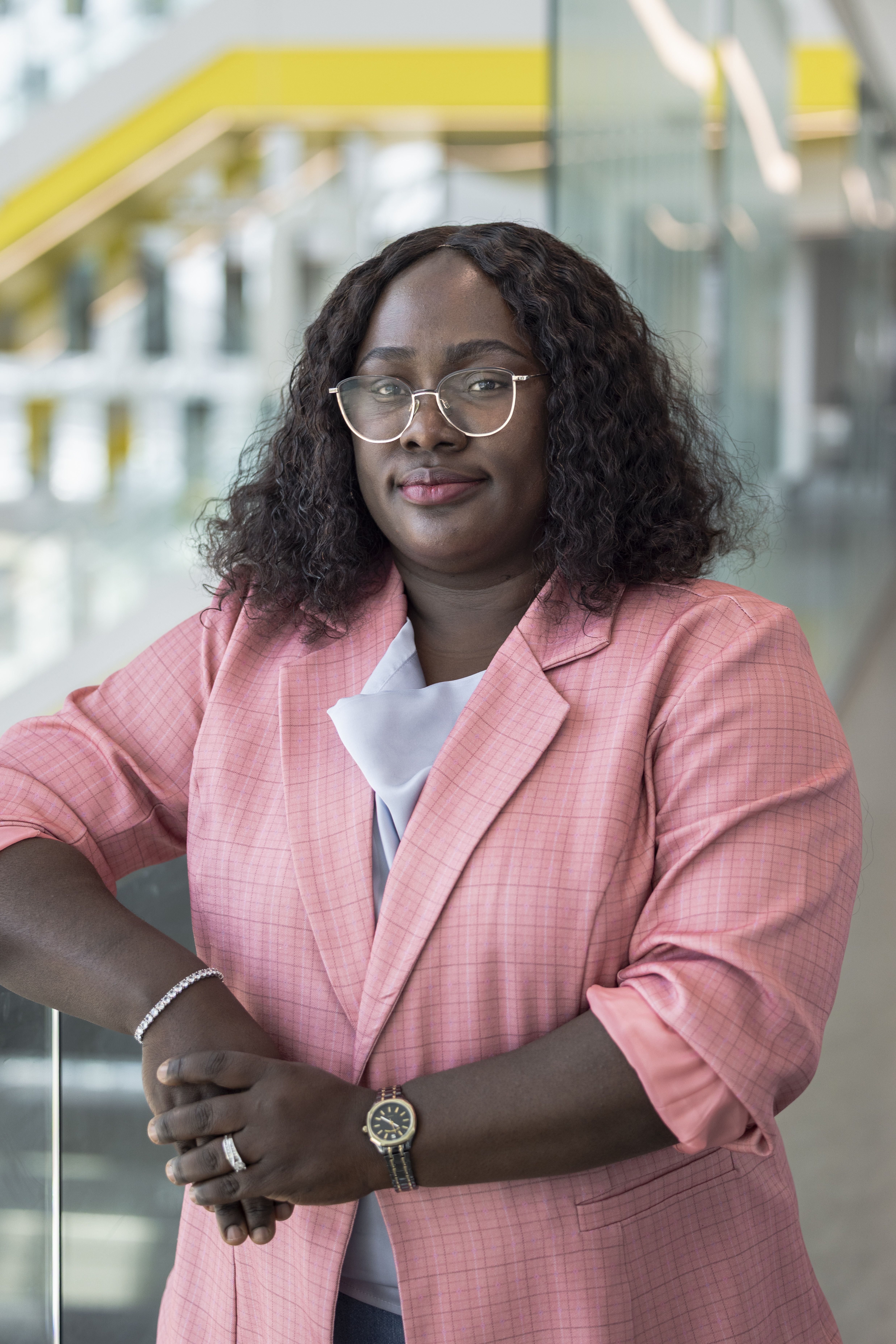 SA/SM · term ends 2029 SA/SM · term ends 2029 |
University of Michigan |
Email |
Onyinye Nwankwo is a Postdoctoral Research Fellow in the Department of Climate and Space Sciences and Engineering at the University of Michigan. She recently earned her Ph.D. in Climate and Space Sciences and Engineering from the University of Michigan, where she previously also completed an M.S. degree in the same field. She additionally holds an M.Sc. in Space Geophysics from the National Institute for Space Research (INPE), Brazil, and a B.Sc. in Physics and Industrial Physics from Nnamdi Azikiwe University, Nigeria. Her research focuses on space weather and upper atmosphere dynamics, with particular emphasis on ionosphere thermosphere coupling, geomagnetic storm time processes, and thermospheric variability. Her work combines physics-based modeling, satellite observations, and data analysis to investigate neutral winds, density variability, and energy transport processes within the coupled geospace system. Beyond her research, Onyinye is passionate about science communication, mentorship, and expanding access to STEM opportunities for underrepresented communities. |
|
Samuel Hart
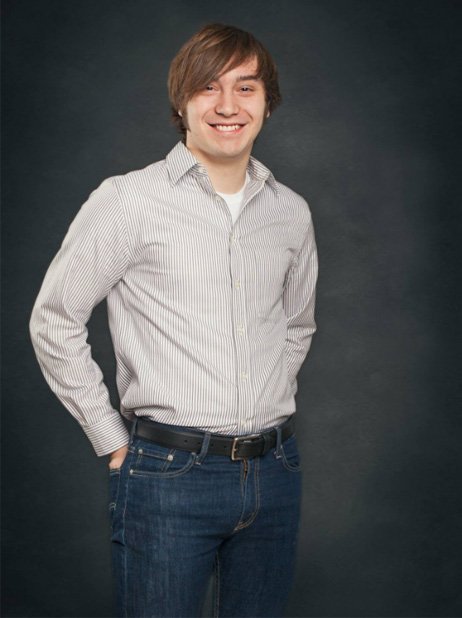 SH · term ends 2029 SH · term ends 2029 |
SwRI |
LinkedIn/
ORCID/
Email |
My research focuses on energetic ions in the solar system. I am interested in how ions are accelerated to high energies within sunspots and then ejected into interplanetary space. Once these energetic ions are released, their transport through the inner heliosphere is governed by the background solar wind plasma, which also varies in space and time. Our team at Southwest Research Institute relates the energetic ions observed at Earth to their associated X-ray and extreme ultraviolet signatures at the sunspot to understand their underlying particle acceleration processes. Outside of science, our team is actively working to develop machine-learning methods to forecast the intensity of space weather events. Humanity continues to become more reliant on space-based assets, necessitating space weather mitigation strategies to prevent major economic setbacks. The first step toward space weather mitigation is accurate, reliable space weather forecasts. |